joseph stalin
19 items
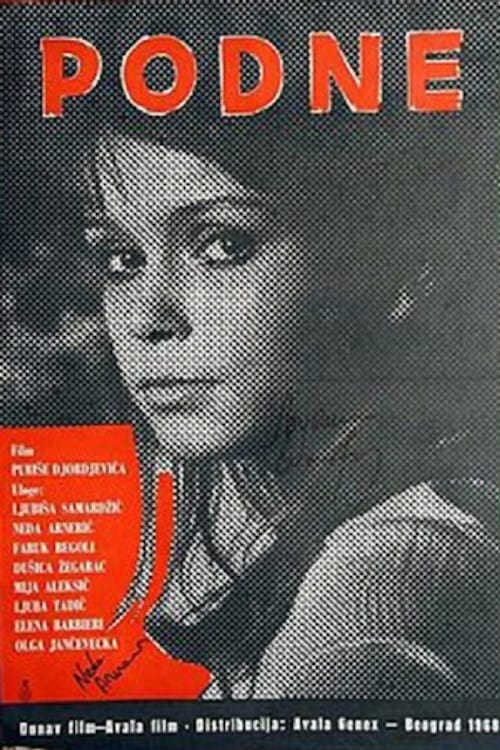
Noon
Podne
The lives of many people in one Serbian town are changed after Tito's breakup with Stalin.

Stalin, the Red Tyrant
Staline, le tyran rouge
On March 9, 1953, Joseph Stalin was buried in Moscow in front of a million people. His funeral is that of a demi-God. Ultimate paradox for one of the greatest criminals in History who brought misfortune to his people while arousing collective admiration.
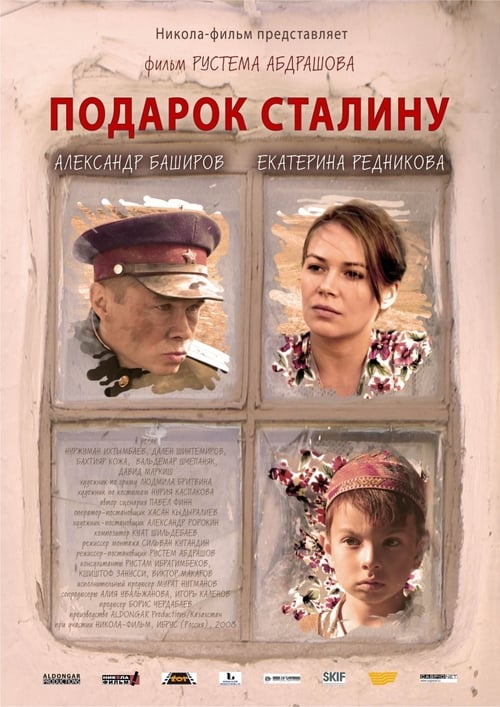
The Gift to Stalin
Подарок Сталину
A Jewish child deported to Kazakhstan is saved and adopted by Kasym, an old Kazakh railway-man. Kasym gives him a Kazakh name, Sabyr, that in Kazakh language means humble. The child grows up in the small Kazakh village along with other deportees Vera, a traitor's wife, and Ezhik a Polish doctor. The Soviet militia harasses the poor peasants and Vera suffered the harassment of a bully cop: Bulgabi. Finally Vera accepts the marriage proposal of Ezhik but the jealous Bulgabi tries to prevent the marriage. The result is a fight in which Ezhik shoots himself accidentally. The old Kasym decides that Sabyr is now old enough to go to seek his real parents. At the end Sabyr, now an adult, decides to return to the village, but the village no longer exists because it was destroyed by a Soviet nuclear test.
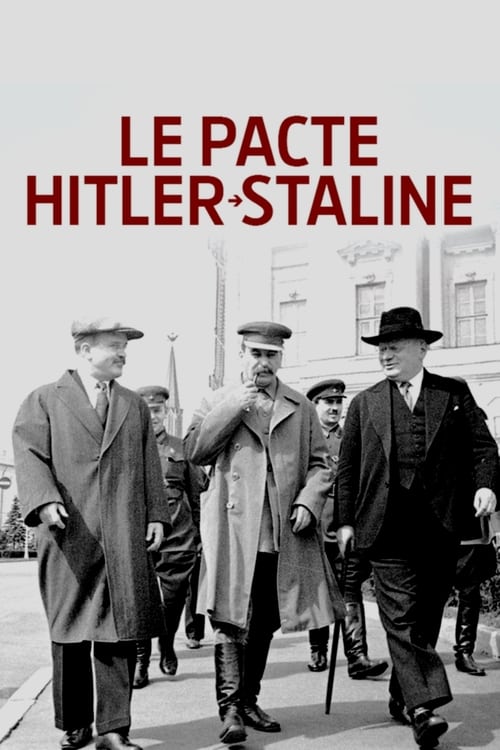
The Hitler–Stalin Pact
Le Pacte Hitler-Staline : autopsie d'un cataclysme
How could Hitler and Stalin, sworn ideological enemies, come to a secret pact in 1939? The captivating and detailed story of the diplomatic fiasco that led to the signing of the Nazi-Soviet pact and its devastating consequences.
The Seventh Cronicle
Sedma kronika
In former Yugoslavia, following Tito's break-up with Stalin, the rocky island of Goli Otok was the camp site for political prisoners. From that officially non-existant yet dreaded place a young man escapes and seeks refuge on a nearby island. The nuns from the local convent find him unconscious and decide to give him shelter. A relentless secret policeman comes to the island and starts making life miserable for its inhabitants, hoping to find his prey...
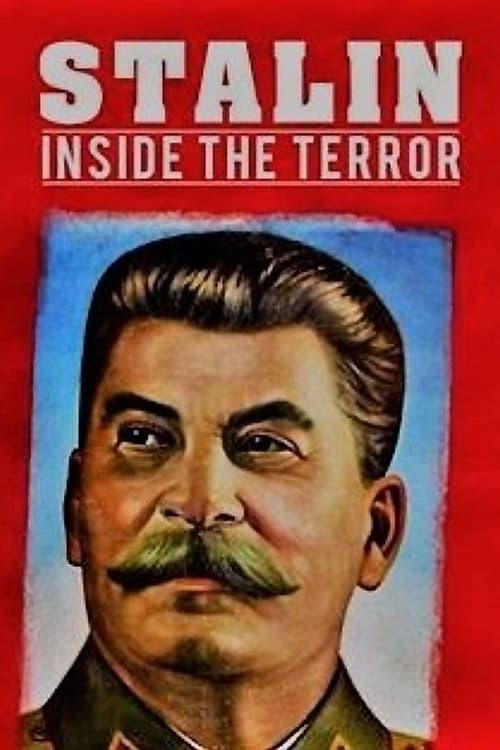
Stalin: Inside the Terror
This program is an overview of the life and career of Joseph Stalin. It concentrates on describing and attempting to explain the origins of the policy of “terror” instigated by Stalin as leader of the USSR. There are interviews with surviving family members and experts all of whom attempt some sort of personality “analysis” of the dictator to explain his behaviour and policies. Another question that is examined is, given his record of “terror”, why was he so popular? Why did so many Russians mourn his death in 1953? This could be an overview and introduction to a study of both Stalin and USSR in the post revolution period.
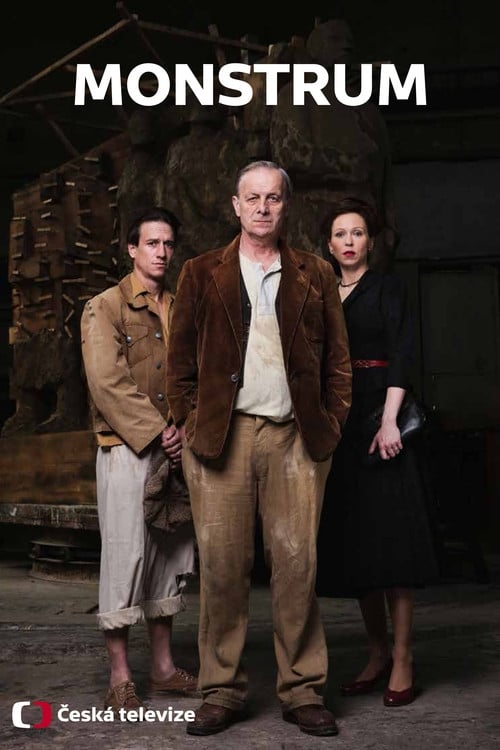
Monstrum
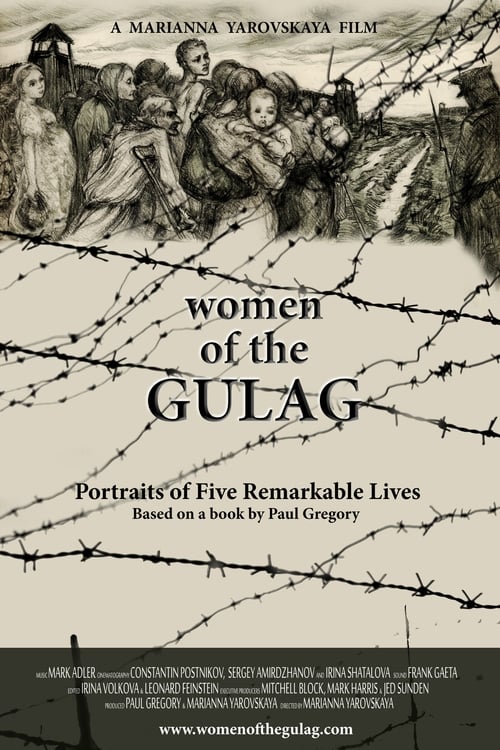
Women of the Gulag
Женщины ГУЛАГа
Through unique and candid interviews the film tells the compelling and tragic stories of the six women – last survivors of the Gulag, the brutal system of repression and terror that devastated the Soviet population during the regime of Stalin.
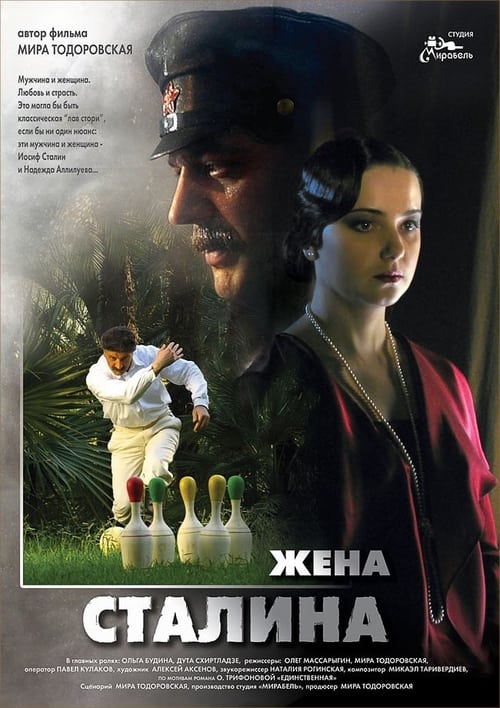
Stalin's Wife
Жена Сталина
A historical drama about the tragic fate of Nadezhda Alliluyeva, a woman who remained in the shadow of her husband Joseph Stalin. In 1918, 16-year-old Nadezhda married 38-year-old Joseph Stalin, a close friend of the Alliluyev family. The love of Nadezhda and Joseph develops against the backdrop of important historical events - revolutions, wars, arrests, and every year Stalin seizes more and more power. Realizing the terrible essence of her beloved husband, Nadezhda still remains faithful to him. But how long can she withstand this struggle with herself?
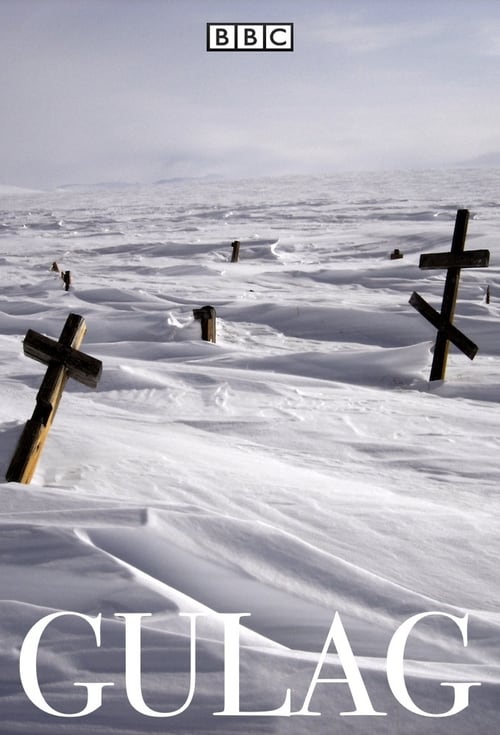
Gulag
Documentary examining Stalin's Gulag. Between the October Revolution and Stalin's death in 1953, millions of people died in the camps. The film explores the Gulag legacy, hearing from victims and perpetrators of the system.

Stalingrad
Сталинград
A band of determined Russian soldiers fight to hold a strategic building in their devastated city against a ruthless German army, and in the process become deeply connected to a Russian woman who has been living there.

People of Russia
This FitzPatrick Miniature visits the Union of Soviet Socialist Republics (USSR), the largest geographically unbroken political unit in the world, covering one-sixth of the world's land mass.
Song of Heroes
Комсомол
The building of blast furnaces Magnitogorsk and the Kubas Basin by Komsomol, the Communist Union of youth, as part of Stalin’s first five-year plan.
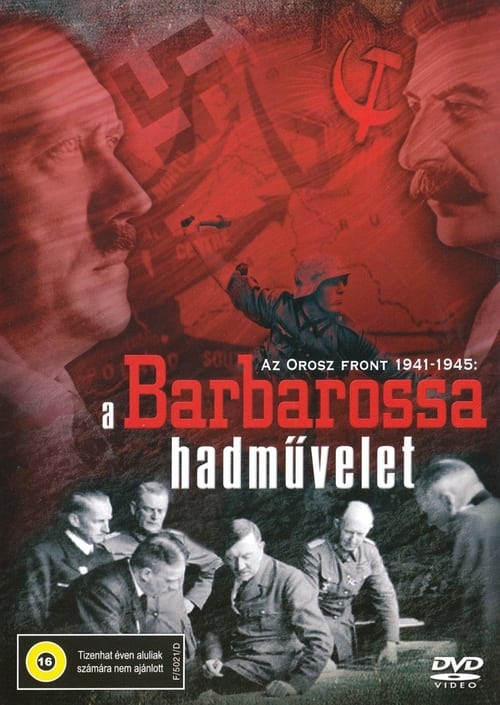
Barbarossa: Hitler Turns East
Hitler's invasion of Russia was one of the landmark events of World War II. This documentary reveals the lead-up to the offensive, its impact on the war and the brinksmanship that resulted from the battle for Moscow. Rare footage from both German and Russian archives and detailed maps illustrate the conflict, while award-winning historian and author John Erickson provides insight into the pivotal maneuvers on the eastern front.
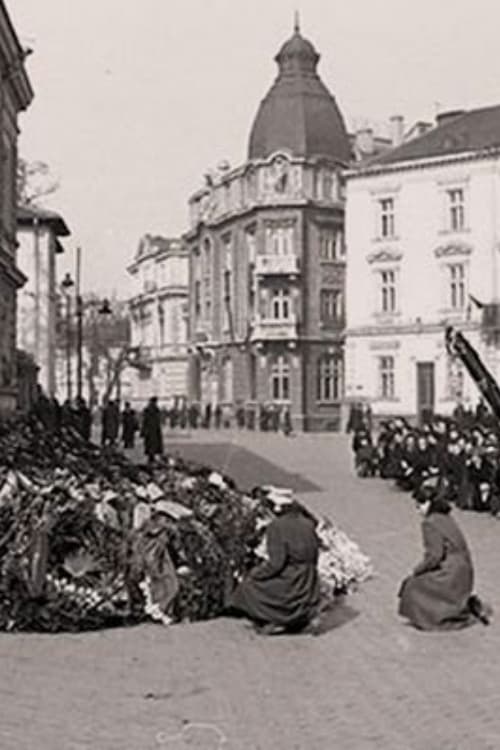
The Last Freedom of Georgy Konstantinov
Последната свобода на Георги Константинов
A film about the dramatic and extraordinary fate of the lonely man who confronted the meat grinder of the communist regime. Georgy Konstantinov, 19 years old, blew up Stalin's monument in Sofia and death passed him by only because the dictator died two days later. He miraculously survived 10 years in prison and psychiatric wards and managed to escape to France. His State Security file numbers more than 40,000 pages. Even today, he does not cease to expose the crimes of the regime with the strength of truth and of his character.
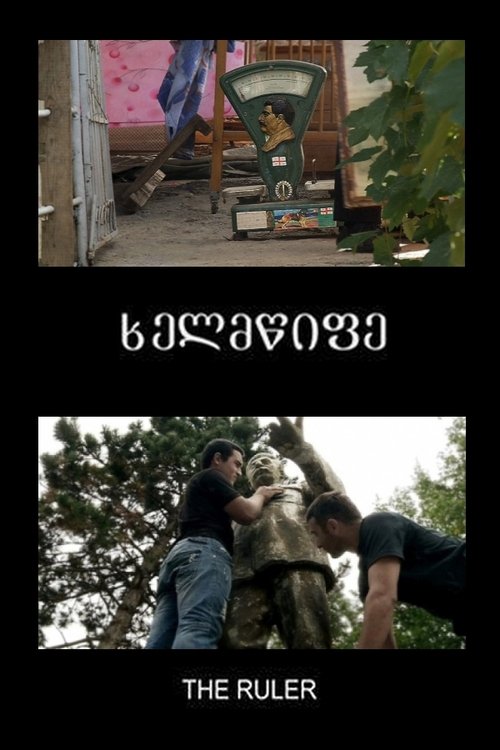
The Ruler
ხელმწიფე
Stalin’s statue in the garden of a nunnery provokes discussion – plenty of it – in a small Georgian village. Some of the locals used to know Stalin personally because he visited the village several times when he was young, and they continue to see him as a benign ruler from the good old days rather than the brutal dictator he was. Whenever an episode of purge shook the Soviet Union’s republics, they hid the statue in the woods. The church also plays an important role in people’s lives. All in all, the film reveals a fundamental conflict in Georgian society.
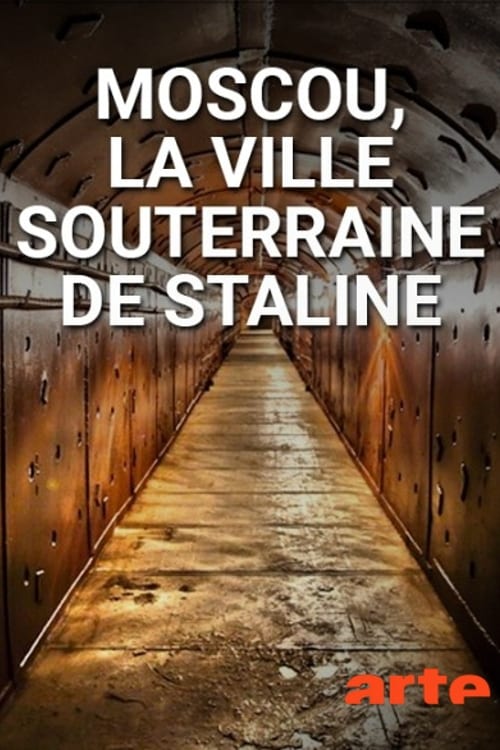
Geheimes Russland: Moskaus Unterwelten
What lies hidden beneath Moscow? Subway palaces full of Soviet propaganda, Stalin's magnificent bunkers, centuries-old river systems. For decades, there have been repeated clues, cryptic statements and hints about Moscow's underground. The cinematic search for clues shows Stalin's command bunker and the government object GO-42, a headquarters of the Soviet military during the Cuban Missile Crisis in 1962. A residential house with potted plants and curtains was built over GO-42 as camouflage. Until the end of the Cold War, specially trained soldiers took care of the bourgeois residential charm and turned on the lights in the evening while 2,000 people threatened the world around the clock with intercontinental missiles. The documentary also shows encounters with the illegal explorers of these complex transportation and housing systems, the Diggers.
Anna Akhmatova (1889-1966) - Muse of Keening
A short film by Barry Lowe and Dino Mahoney, starring Pauline Burton as Anna. The film is an introduction to the great Soviet era modernist poet, Anna Akhmatova; shot in winter in Saint Petersburg (Leningrad), it contains rare interviews with people who knew her, academics, and dramatized readings of some of her poems.
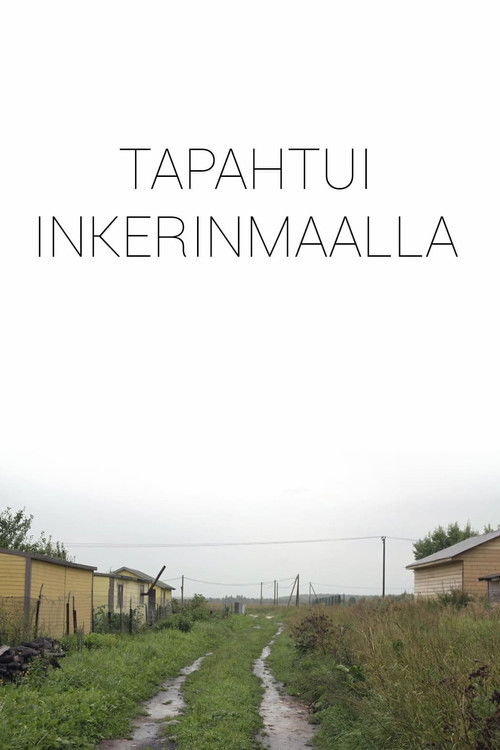
Silent Displacement – The Unknown Deportation of Ingria
Det hände i Ingermanland
"It Happened in Ingermanland" - about a forgotten people's displacement that took place during the Stalin's reign of terror in the Soviet Union. During the WW2, when the Nazi army arrived in the area of St. Peterburg/Leningrad about 63 000 Ingermanlanders was deported to Finland. In 1946 Stalin wanted them back for his work camps. About 5 000 fled to Sweden and settled there.